BioGein blog
Discoveries explained
Prize-winning science told as illustrated stories: how each discovery works at the molecular level, the experiments behind it and why it matters, with every poster available as an editable template.
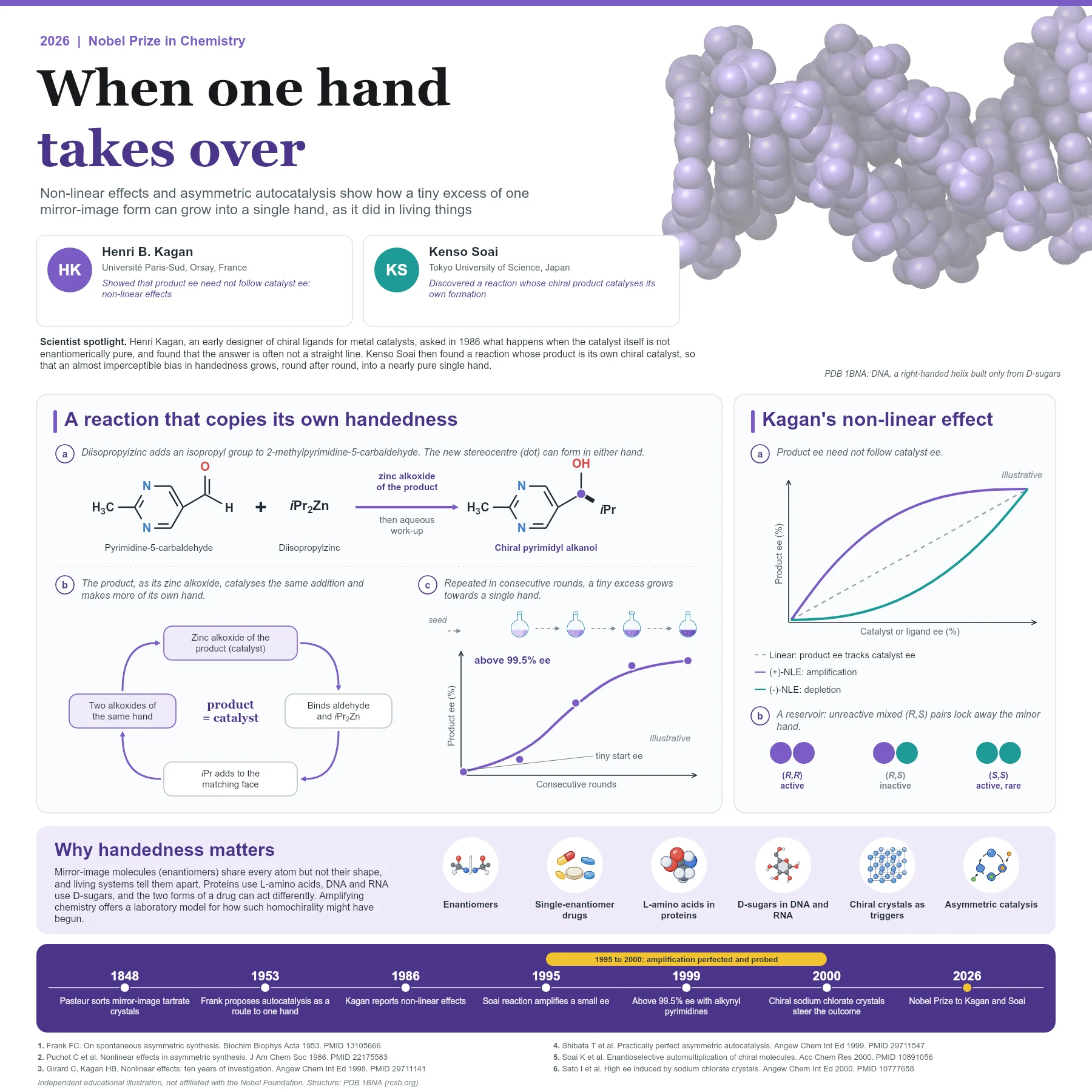 When one hand takes over: non-linear effects and asymmetric autocatalysis
Two chemists showed that handedness in molecules does not have to follow simple proportions, and that a reaction can copy its own handedness until one mirror-image form wins.
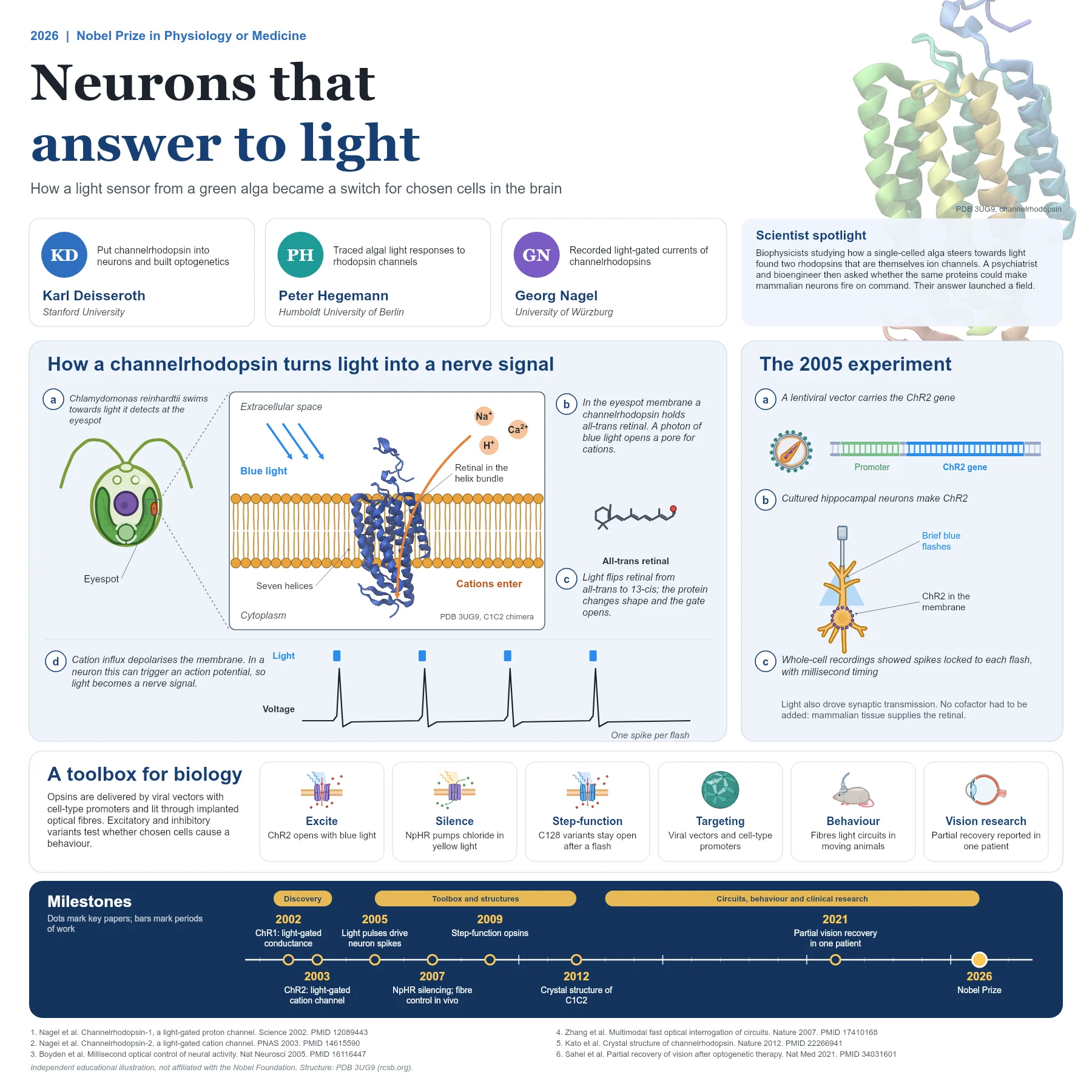 Switching neurons on with light: the science behind the 2026 Nobel Prize in Physiology or Medicine
Light-gated ion channels from a green alga gave neuroscience a way to turn chosen cells on and off with millisecond precision.
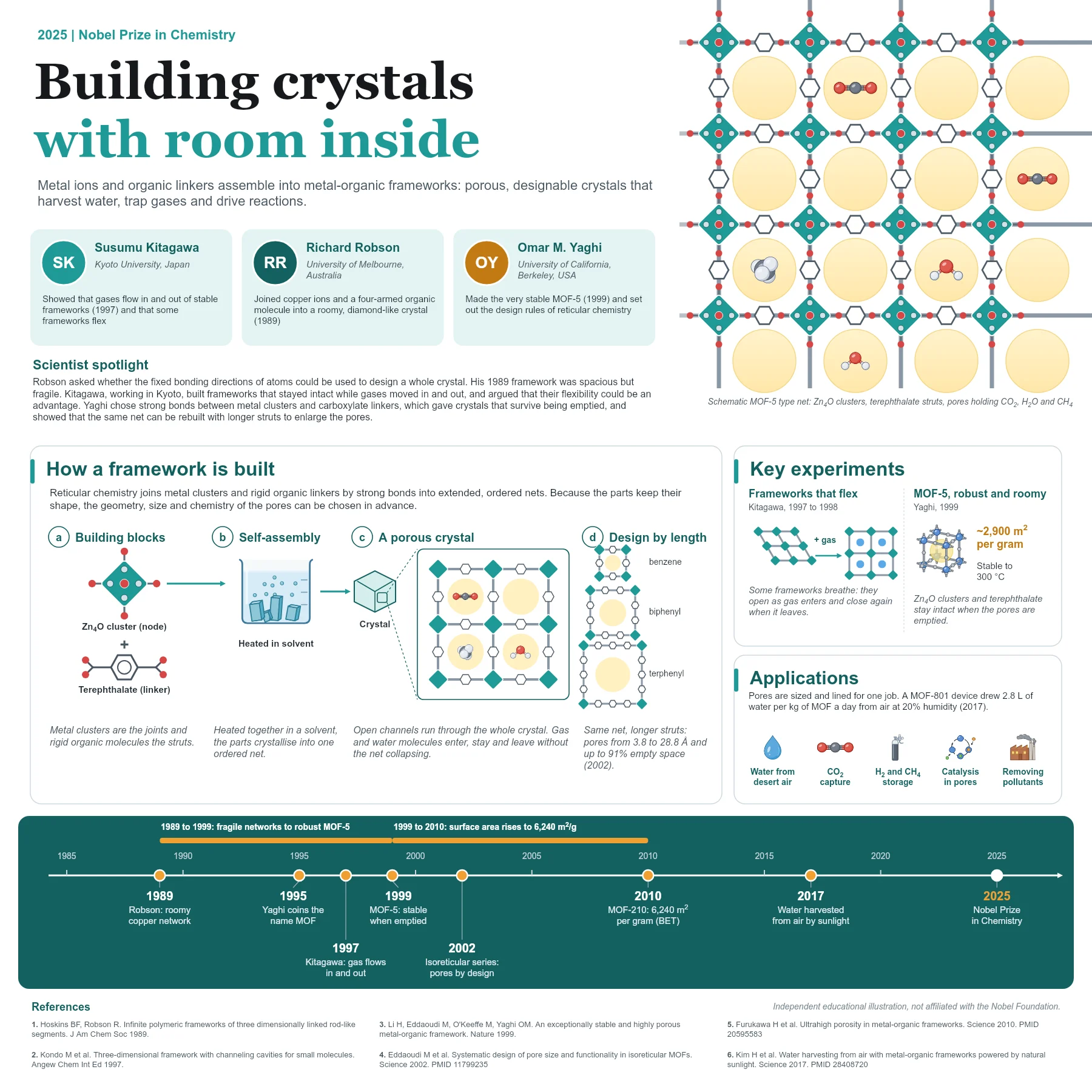 Crystals with room inside: the chemistry of metal-organic frameworks
How three chemists learned to build porous crystals from metal clusters and organic struts, and why those crystals can now pull water from desert air.
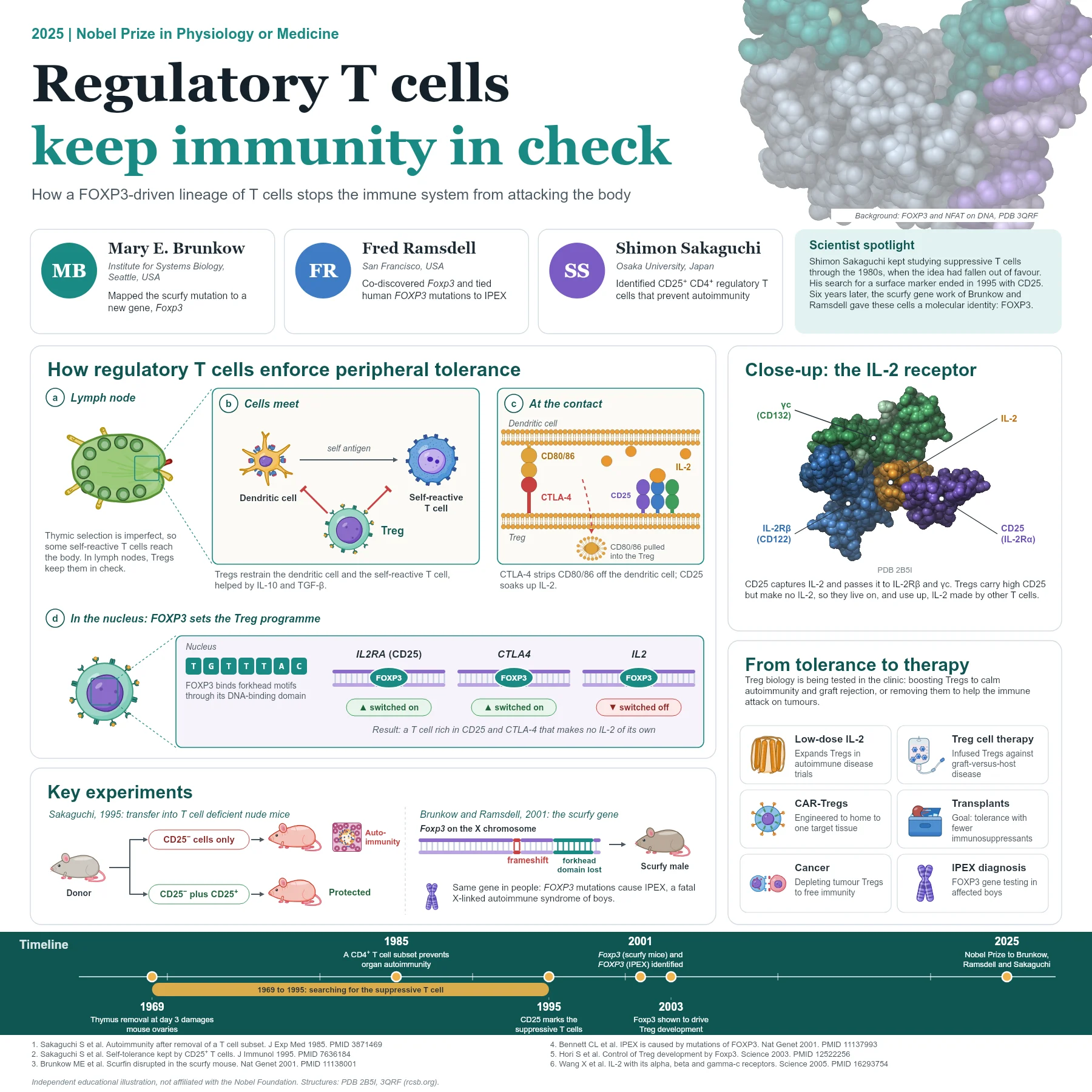 The immune system's peacekeepers: how regulatory T cells were found
The 2025 Nobel Prize in Physiology or Medicine honoured the discovery of regulatory T cells and their master gene FOXP3, the basis of peripheral immune tolerance.
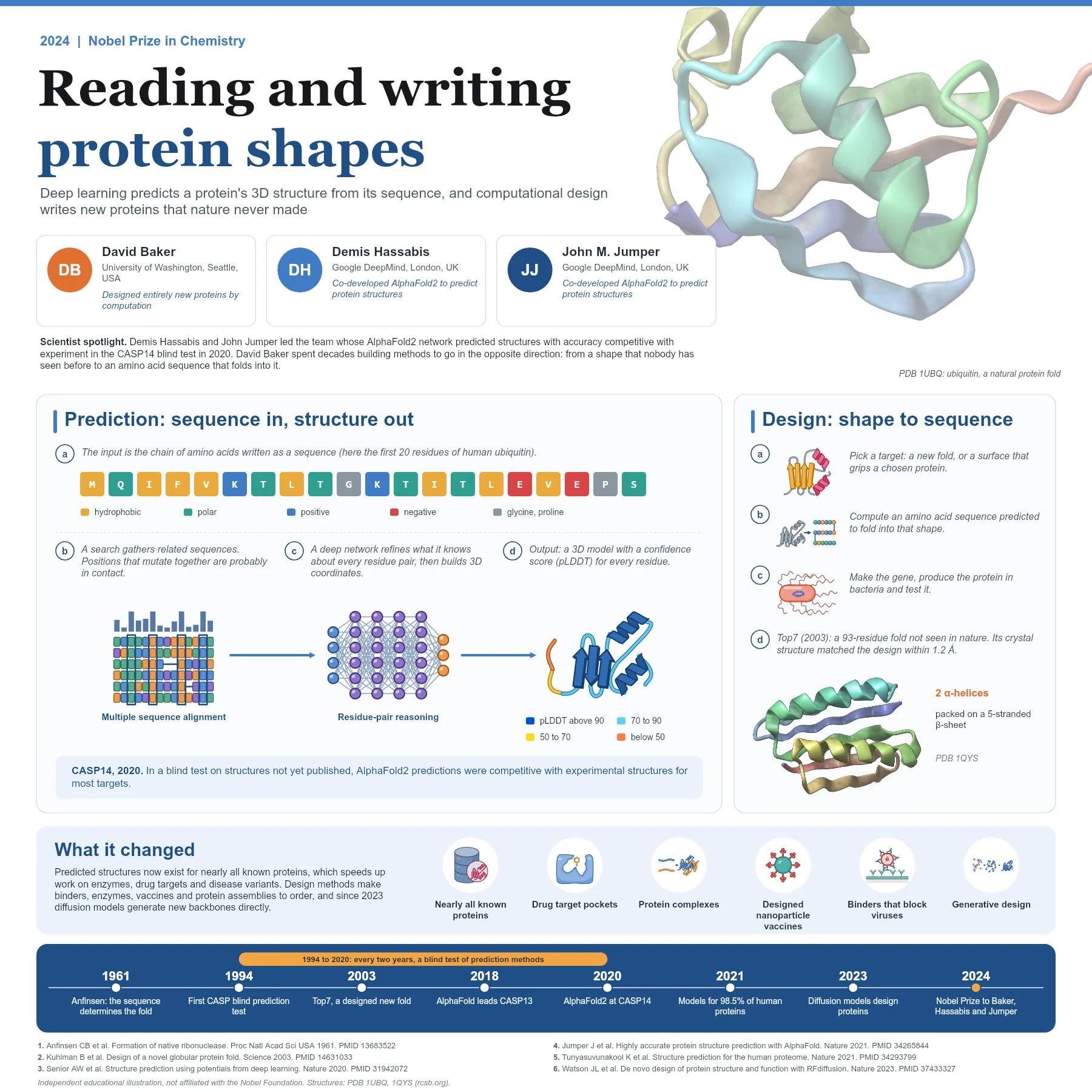 Reading and writing protein shapes: structure prediction and protein design
Deep learning learned to predict how a protein folds from its sequence, while computational design learned to write sequences for proteins nature never made.
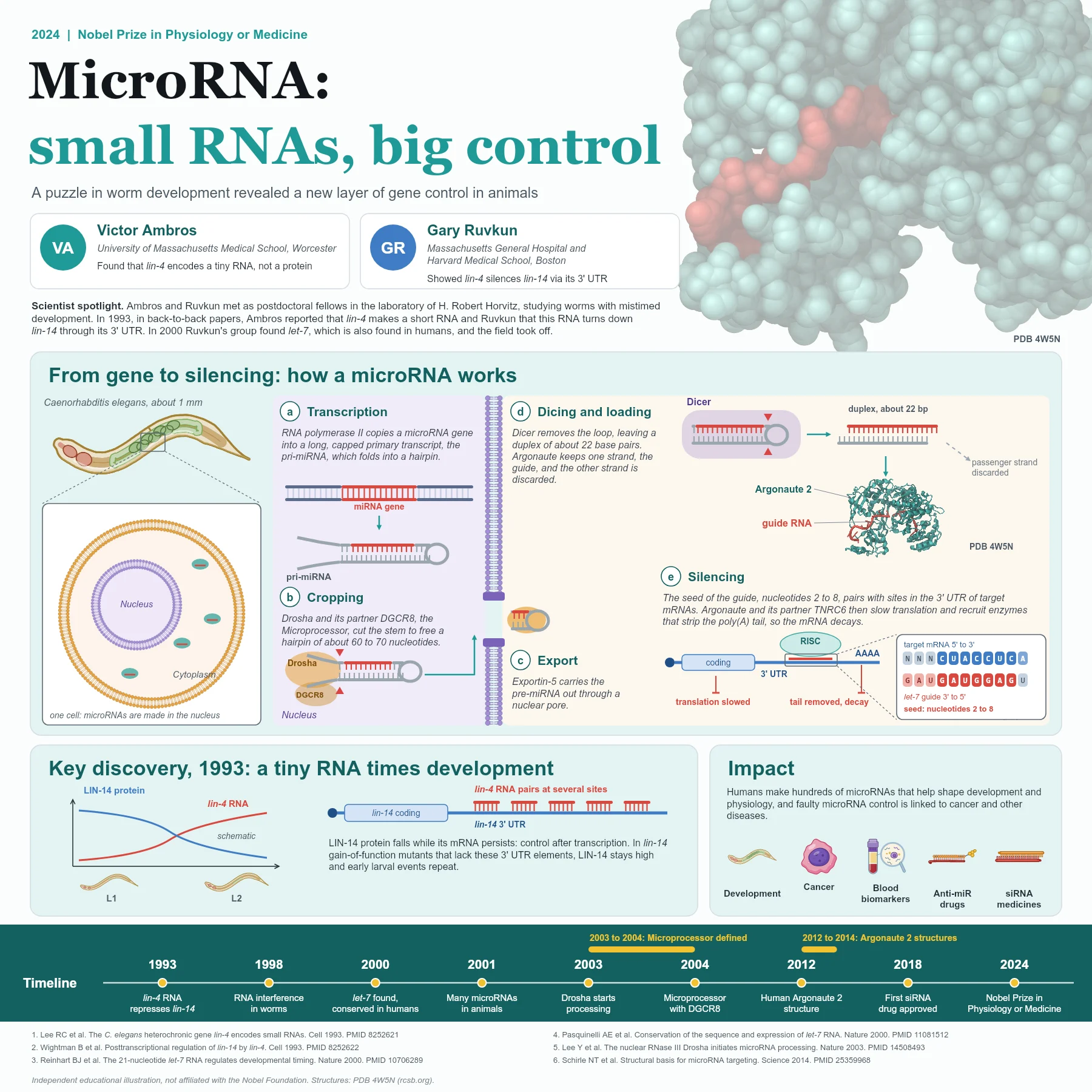 MicroRNA: the tiny RNAs that fine-tune our genes
The 2024 Nobel Prize in Physiology or Medicine recognised the discovery of microRNAs, short RNAs that switch down genes after they have been transcribed.
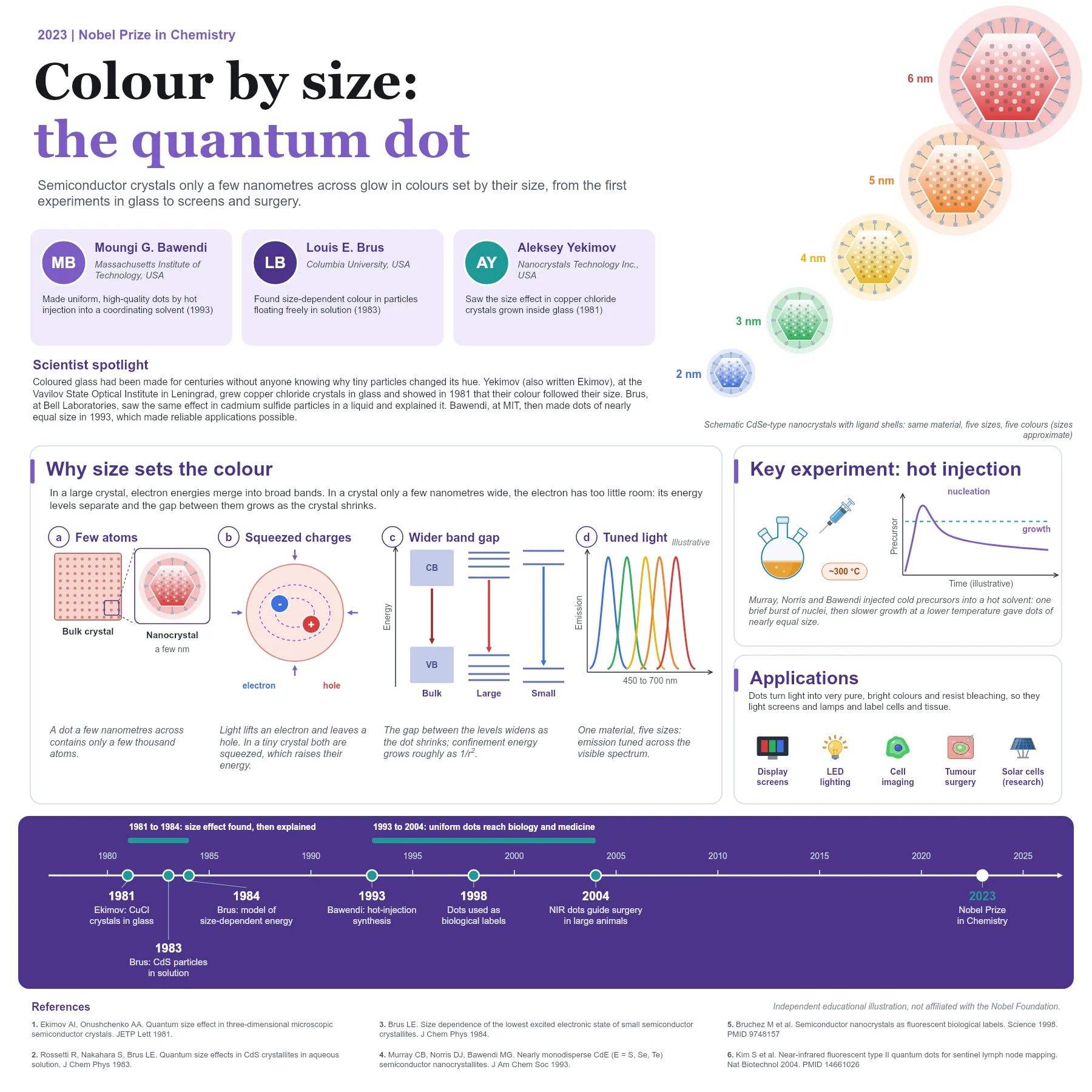 Colour by size: how quantum dots were discovered and tamed
Crystals only a few nanometres across change colour with their size; three researchers found the effect, explained it and learned to make it reliable.
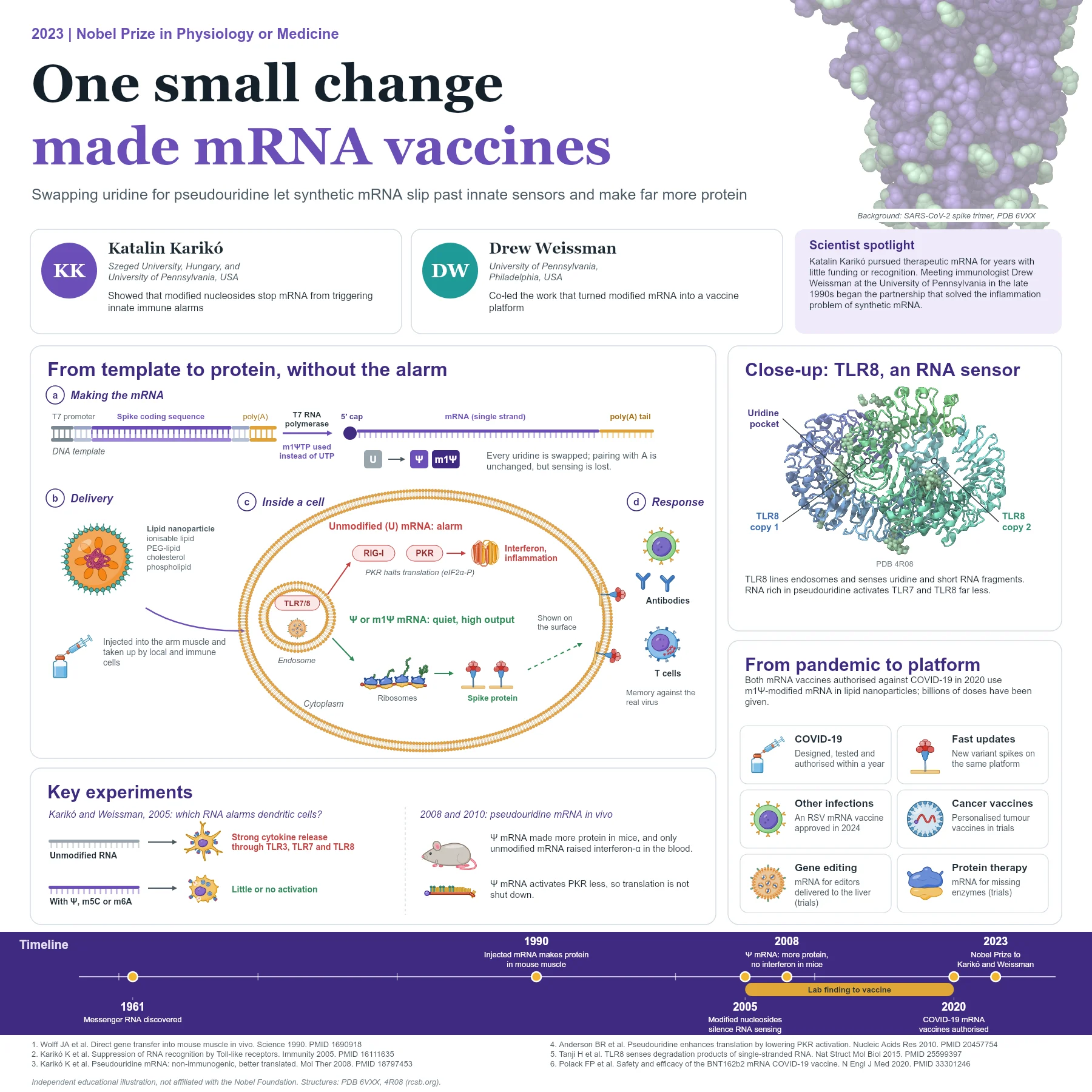 One small change: how modified nucleosides made mRNA vaccines possible
The 2023 Nobel Prize in Physiology or Medicine honoured the discovery that swapping uridine for pseudouridine lets synthetic mRNA avoid innate immune alarms and make far more protein.
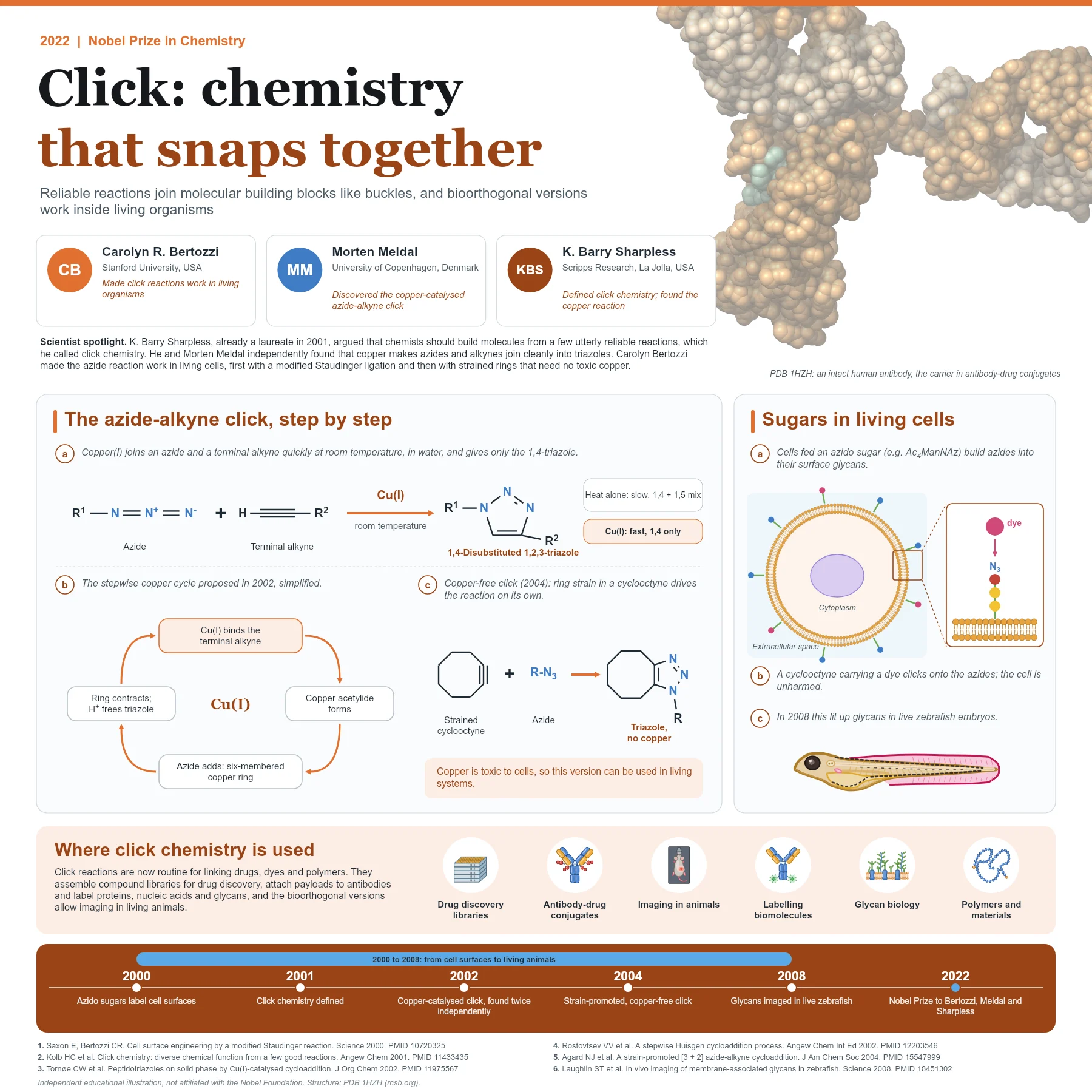 Click: the chemistry that snaps molecules together, even in living cells
A few utterly reliable reactions changed how chemists join molecules, and a copper-free version made it possible to do chemistry inside living organisms.
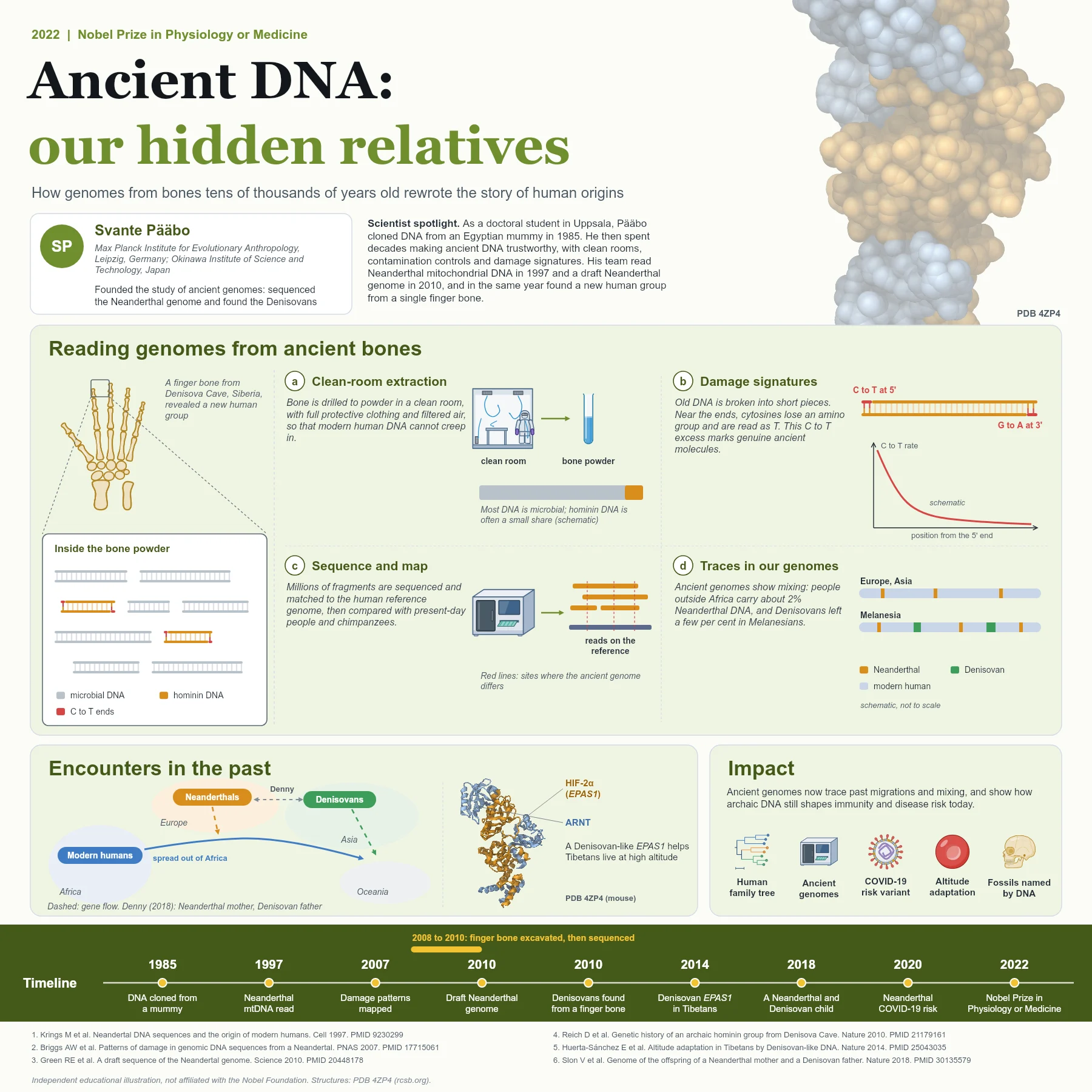 Ancient DNA and our hidden relatives: the genomes of Neanderthals and Denisovans
The 2022 Nobel Prize in Physiology or Medicine honoured Svante Pääbo for reading the genomes of extinct human groups and showing that they mixed with our ancestors.
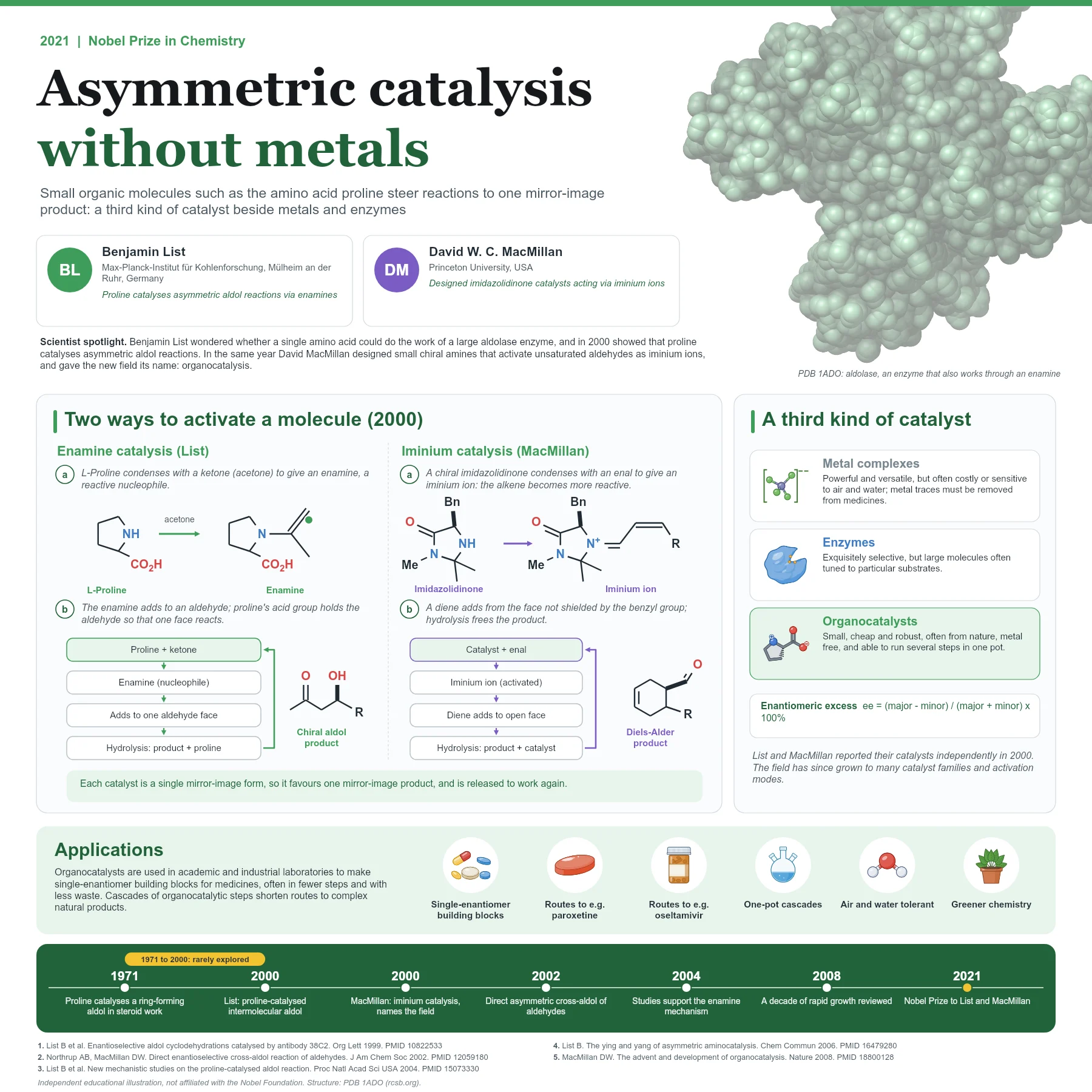 Asymmetric catalysis without metals: the rise of organocatalysis
Small organic molecules such as the amino acid proline can steer reactions to one mirror-image product, giving chemists a third kind of catalyst beside metals and enzymes.
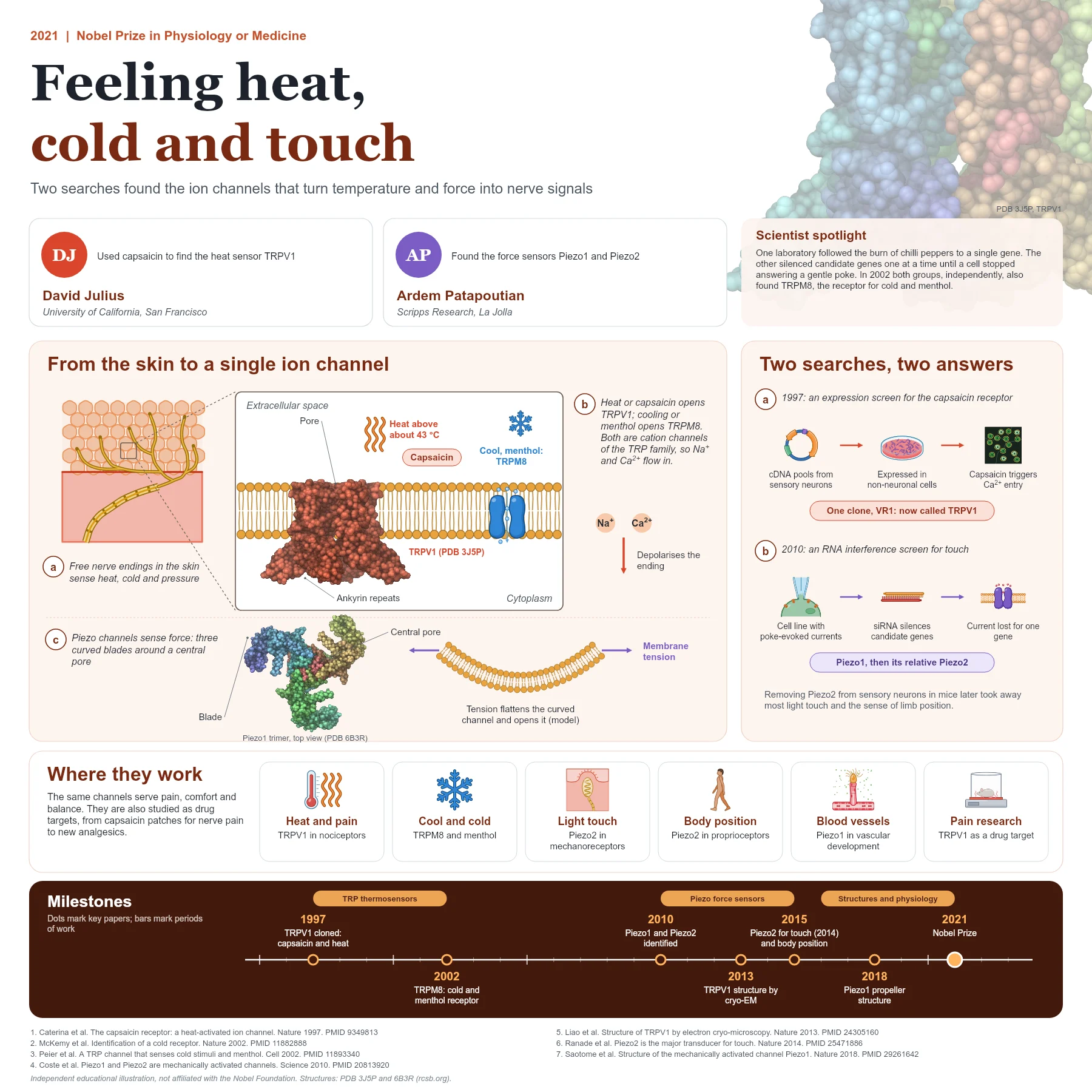 How we feel heat, cold and touch: the 2021 Nobel Prize in Physiology or Medicine
Two laboratories found the ion channels in our nerve endings that turn temperature and mechanical force into electrical signals.
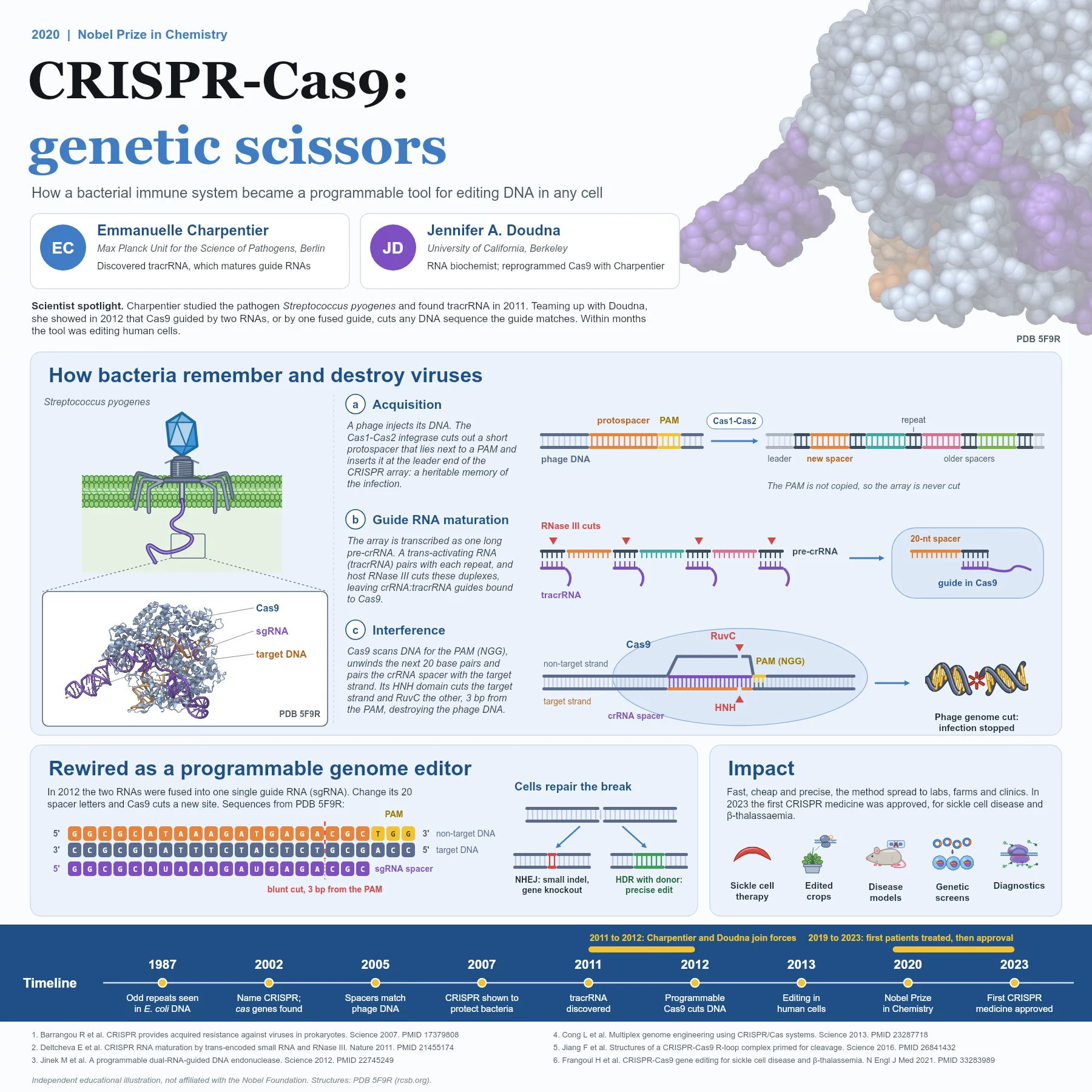 Genetic scissors: how CRISPR-Cas9 went from bacterial defence to genome editor
The 2020 Nobel Prize in Chemistry honoured the discovery that a bacterial immune enzyme can be programmed with a short RNA to cut almost any DNA sequence.
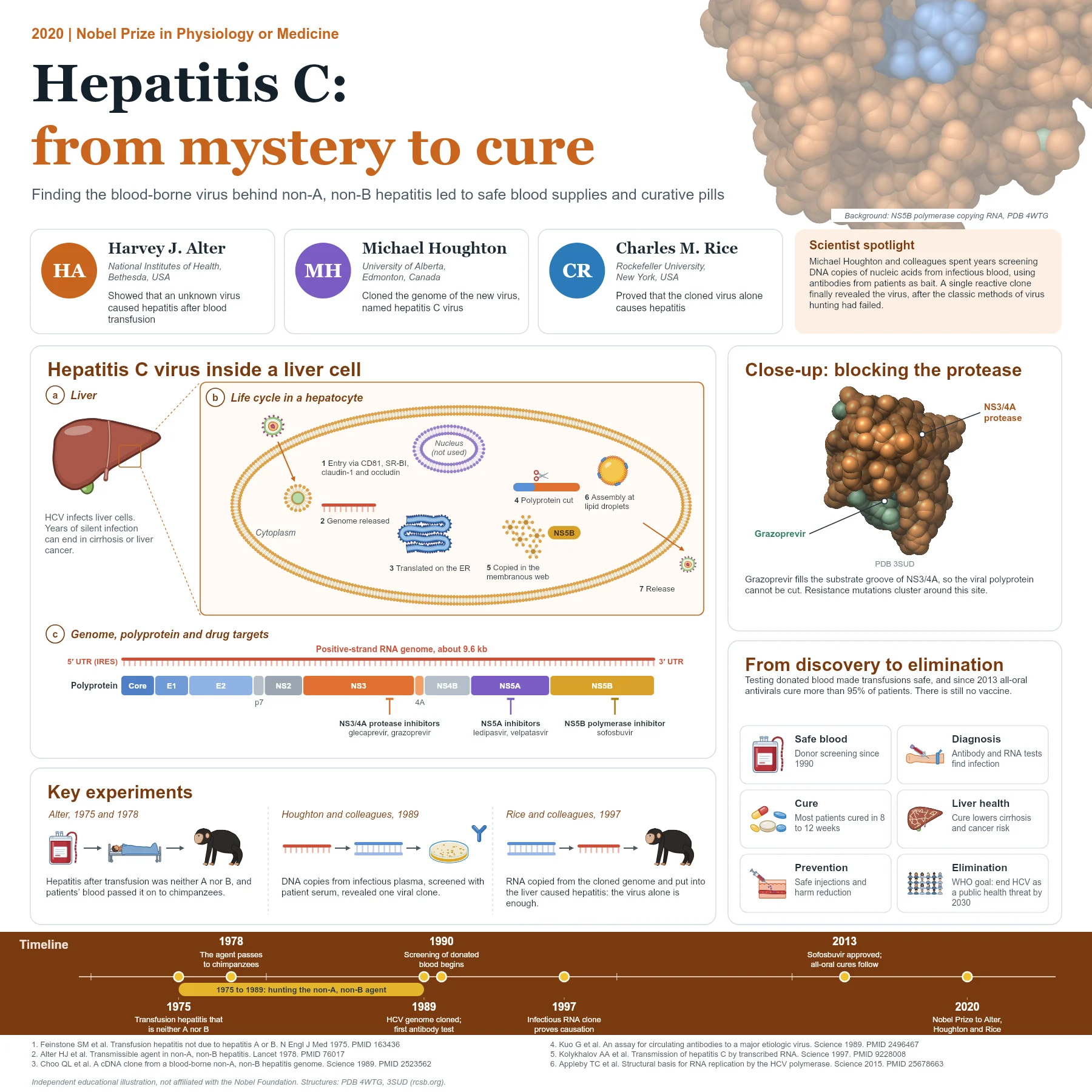 Hunting the hidden virus: the discovery of hepatitis C
The 2020 Nobel Prize in Physiology or Medicine honoured the three steps that revealed hepatitis C virus: showing an unknown agent existed, cloning its genome and proving that it alone causes disease.
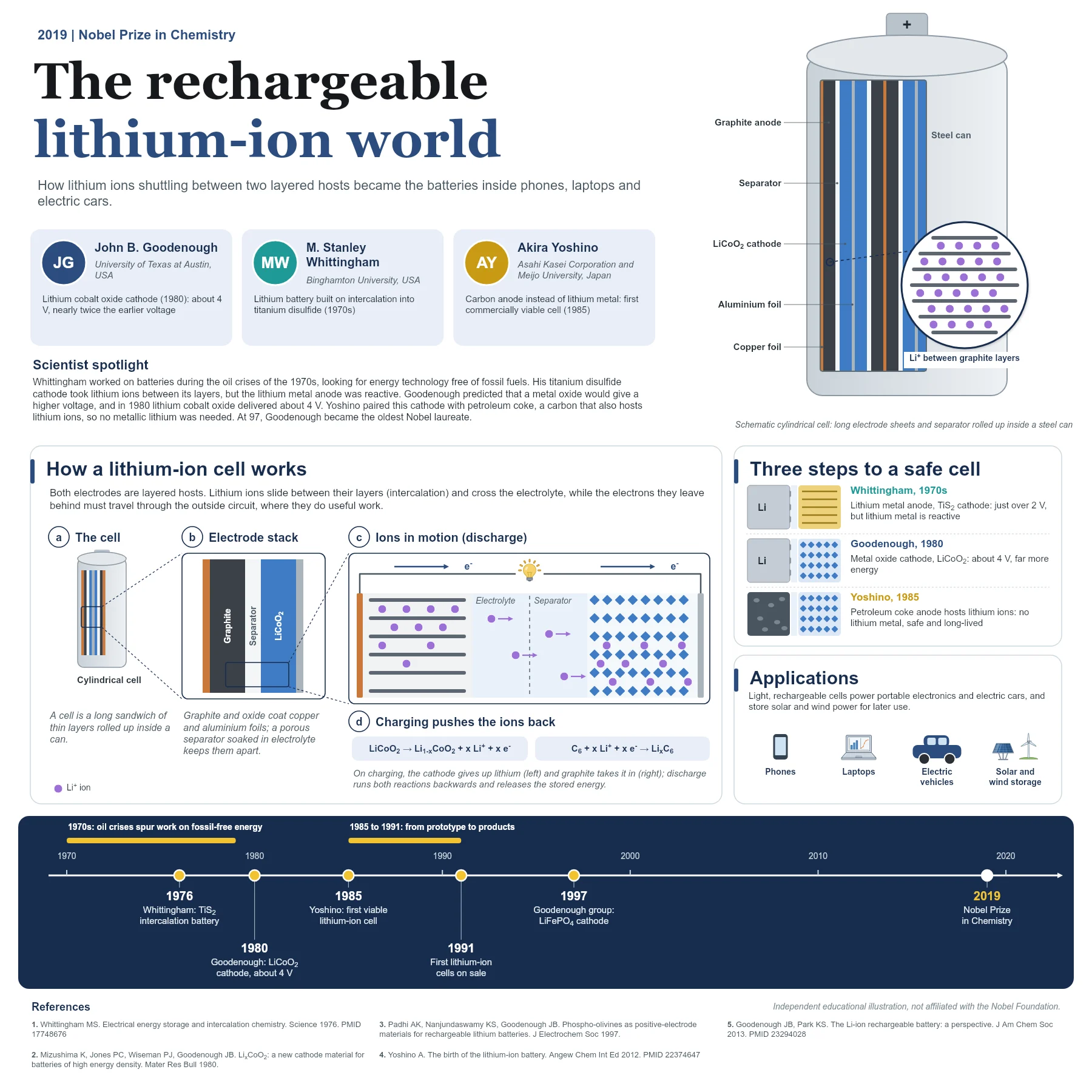 Ions on the move: how the lithium-ion battery was built
Three chemists turned a reactive metal into a safe, rechargeable battery by letting lithium ions shuttle between two layered materials.
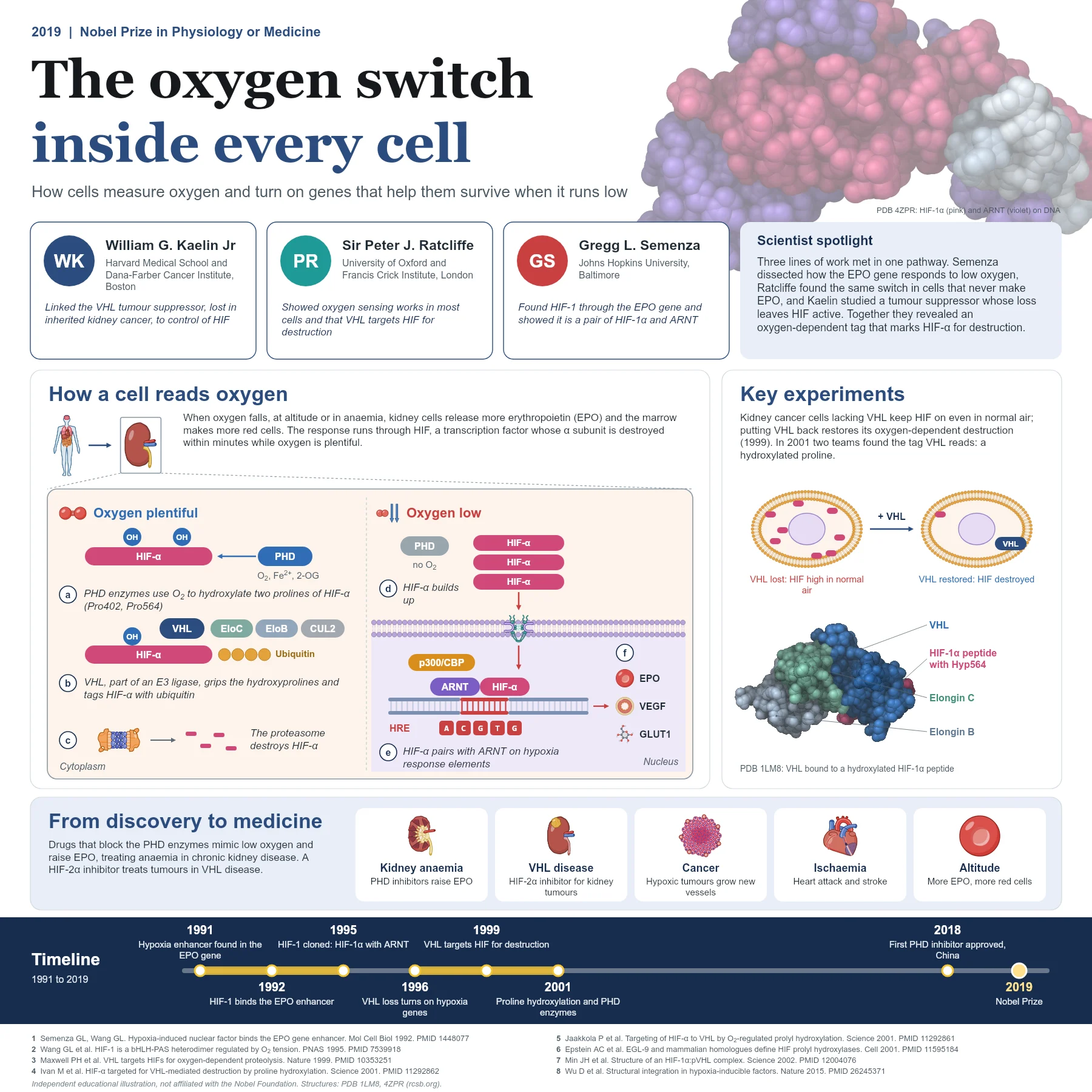 The oxygen switch: how cells sense and respond to oxygen
The 2019 Nobel Prize in Physiology or Medicine rewarded the discovery of HIF, VHL and the oxygen-dependent tag that links them.
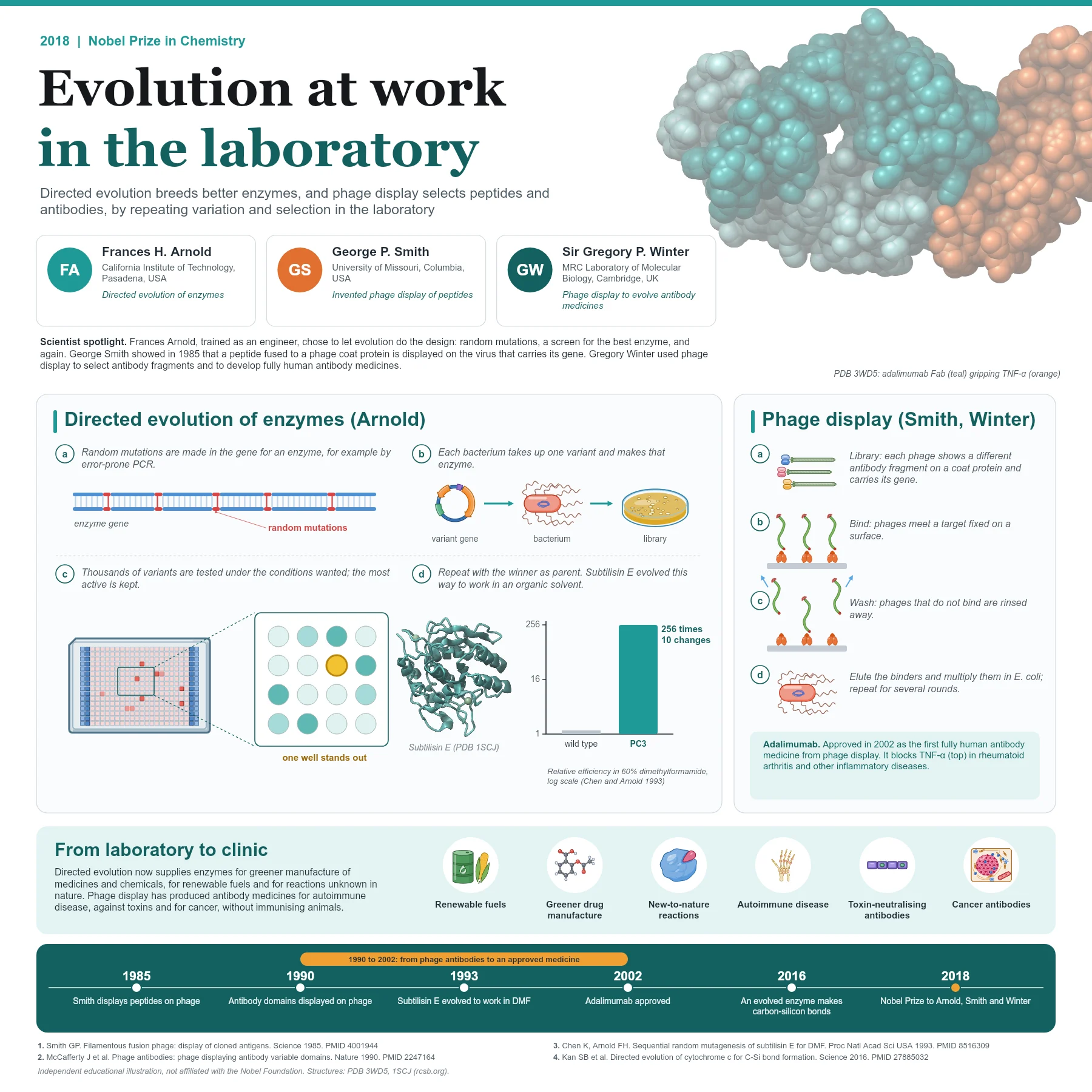 Evolution at work in the laboratory: directed evolution and phage display
By repeating variation and selection in test tubes and bacteria, three scientists bred better enzymes and selected antibody medicines.
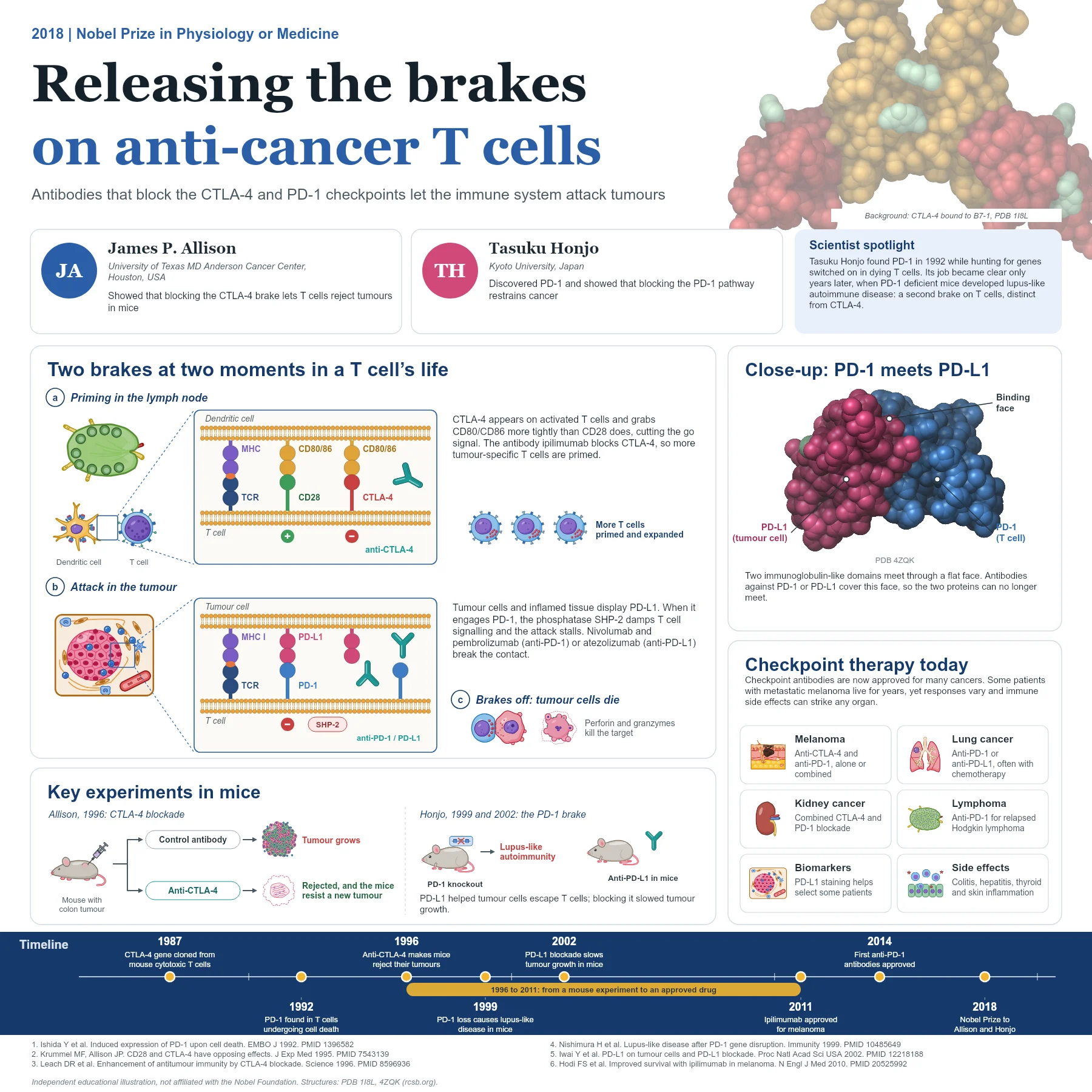 Taking the brakes off: how CTLA-4 and PD-1 blockade changed cancer treatment
The 2018 Nobel Prize in Physiology or Medicine recognised the discovery that blocking inhibitory receptors on T cells can unleash the immune system against tumours.
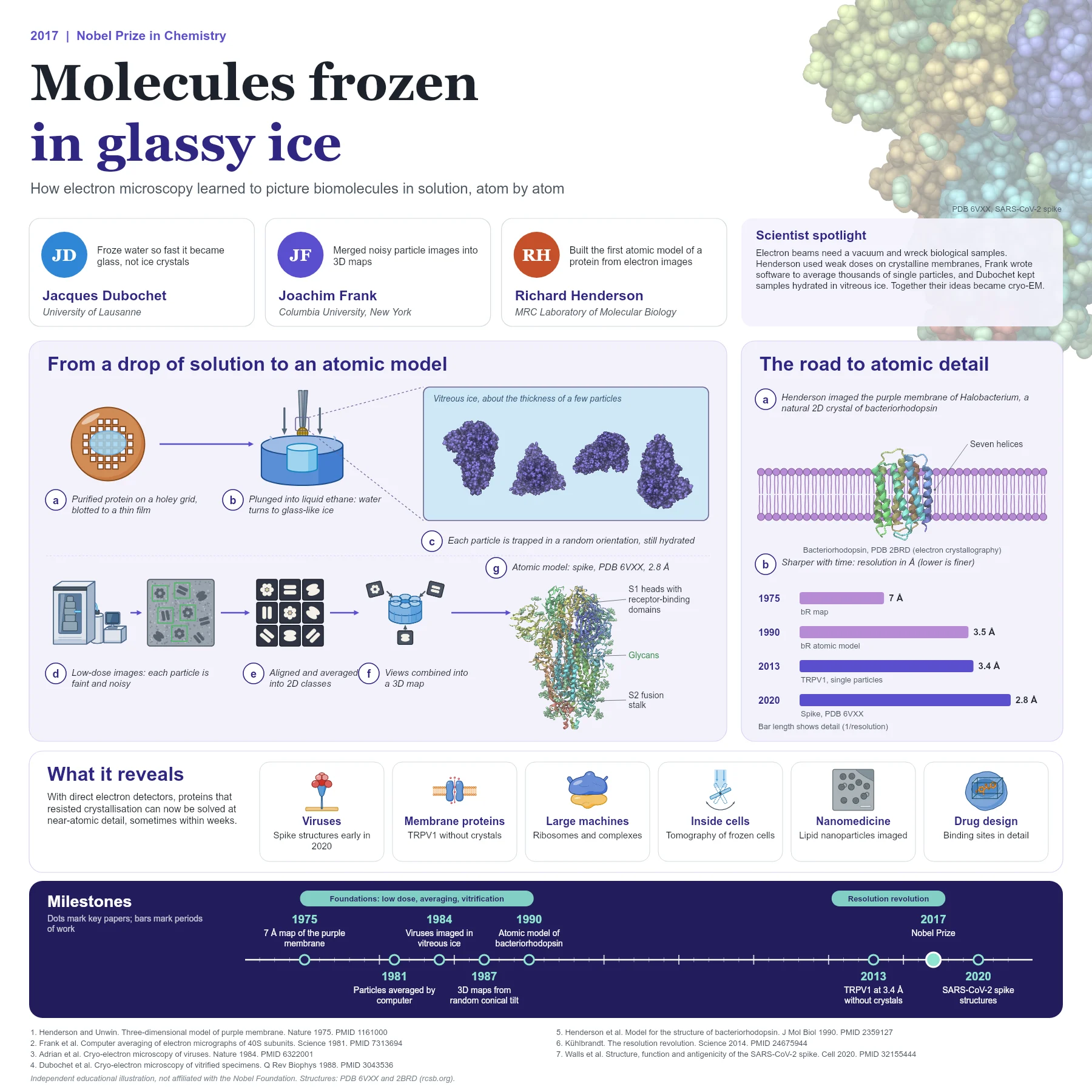 Molecules frozen in glassy ice: the 2017 Nobel Prize in Chemistry for cryo-electron microscopy
Three advances, gentle electron doses, image averaging and vitrified water, turned the electron microscope into a tool for atomic structures of biomolecules.
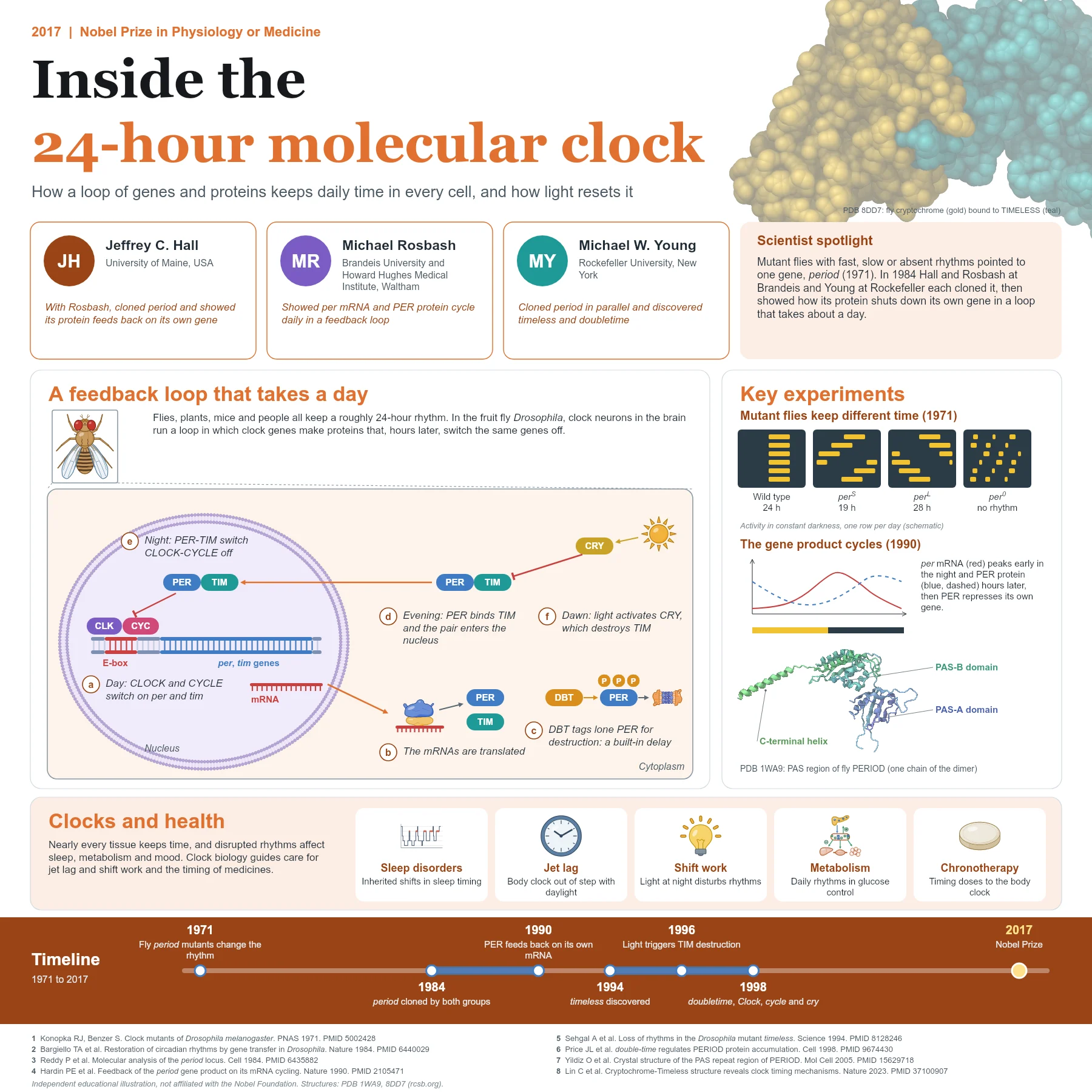 The molecular clock: how cells keep 24-hour time
Work on fruit flies by Jeffrey Hall, Michael Rosbash and Michael Young revealed the feedback loop of genes and proteins that runs the circadian clock.
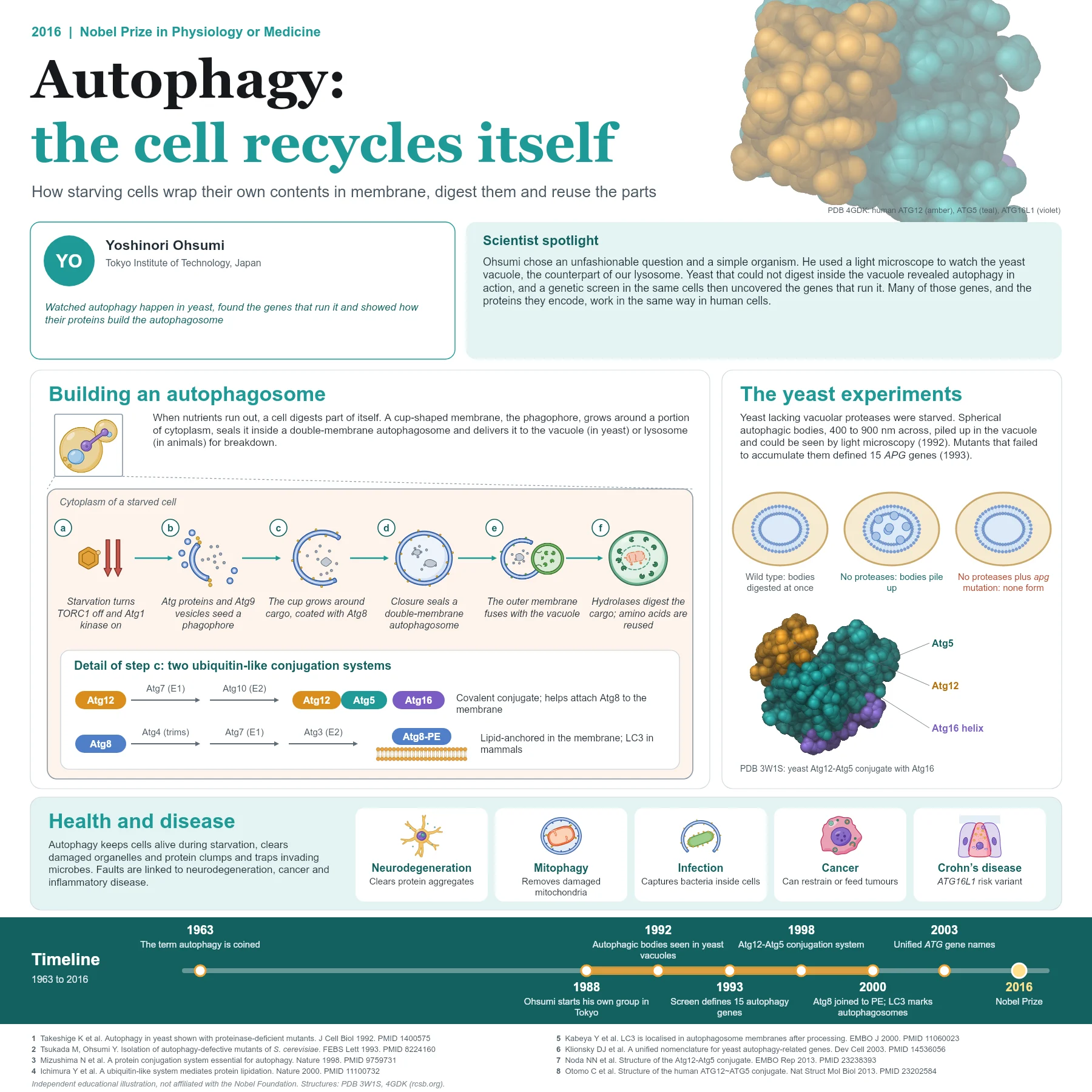 Autophagy: how cells digest and recycle their own parts
Yoshinori Ohsumi used baker’s yeast to find the genes behind autophagy and to reveal the molecular machine that builds the autophagosome.
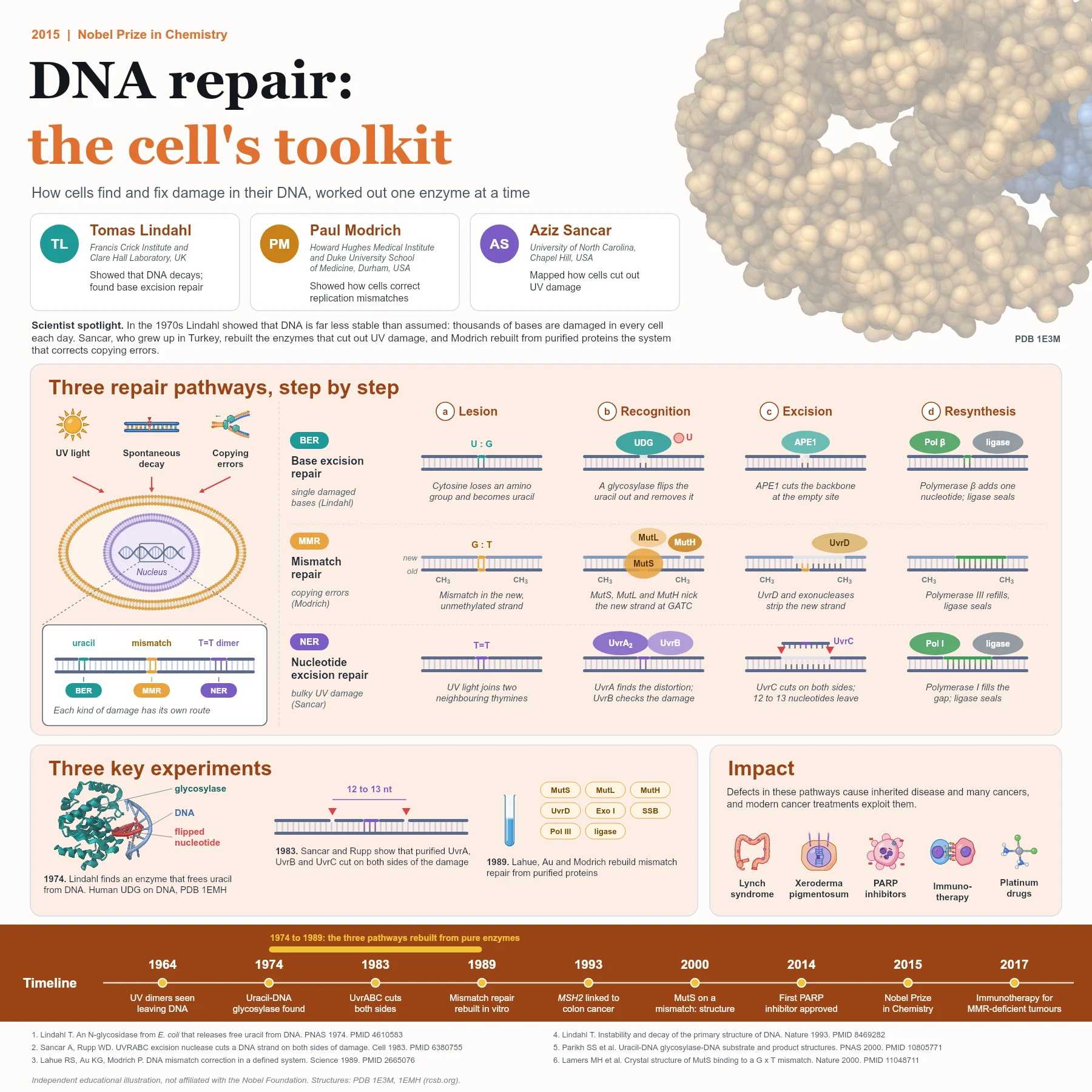 The cell's repair kit: how DNA damage is found and fixed
The 2015 Nobel Prize in Chemistry honoured three scientists who worked out, enzyme by enzyme, how cells repair damaged DNA.
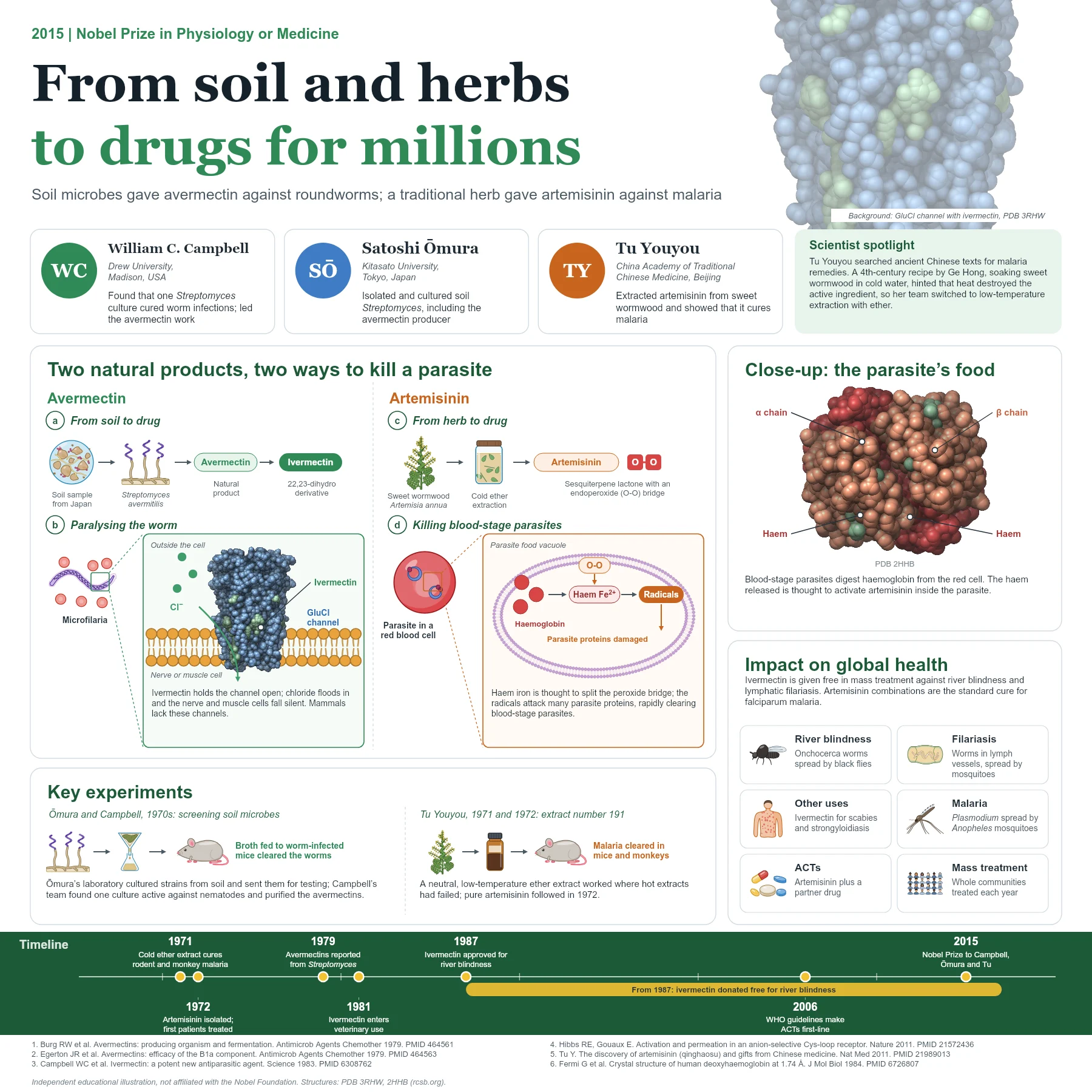 From soil and herbs: the discoveries of avermectin and artemisinin
The 2015 Nobel Prize in Physiology or Medicine honoured a soil microbe drug against roundworm diseases and a plant-derived drug against malaria, two therapies that have treated hundreds of millions of people.
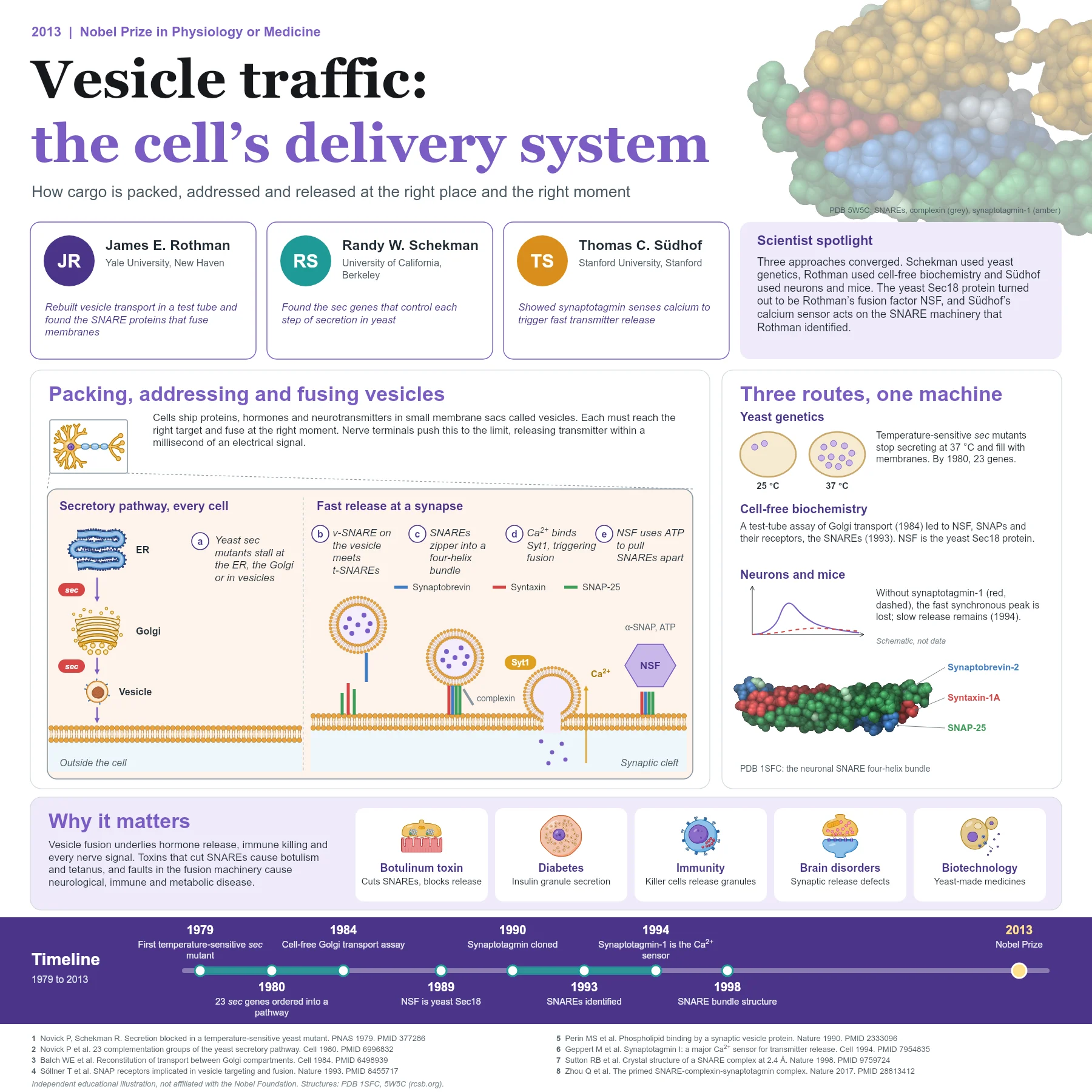 Vesicle traffic: the delivery system inside every cell
The 2013 Nobel Prize in Physiology or Medicine honoured three complementary routes to the machinery that moves and releases cargo in cells.
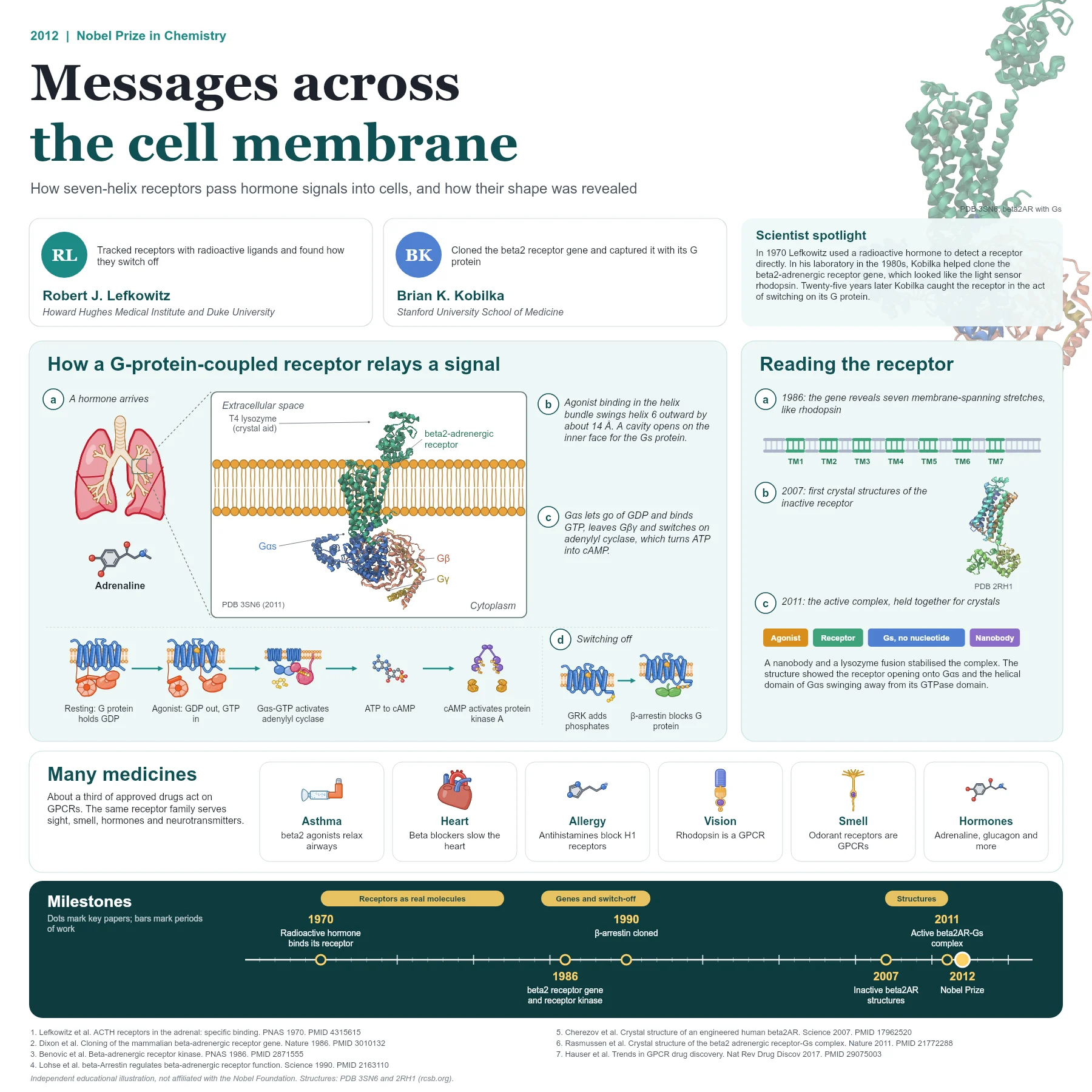 Messages across the membrane: the 2012 Nobel Prize in Chemistry for G-protein-coupled receptors
From radioactive hormones to a crystal of a receptor caught in action, two scientists showed how cells read signals from outside.
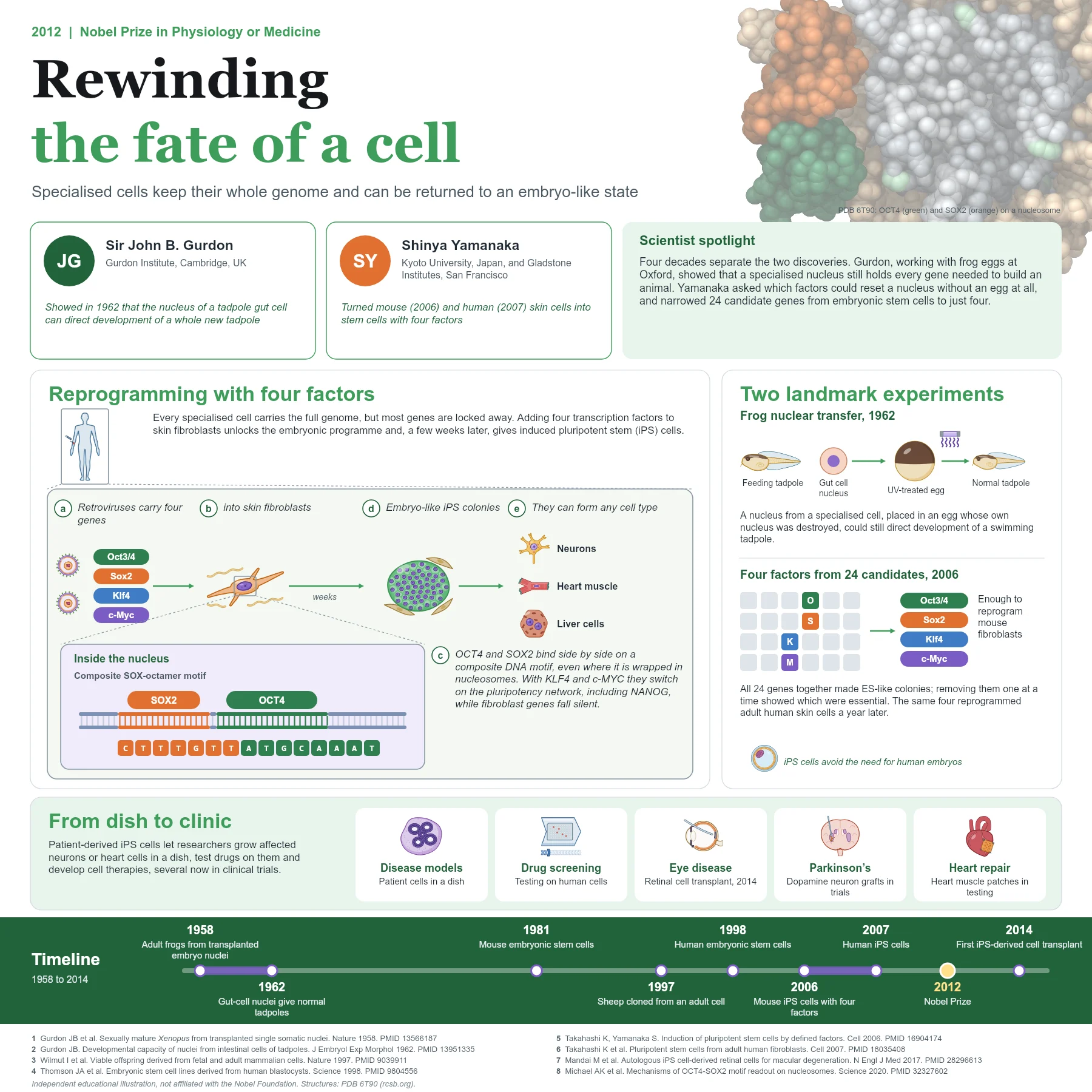 Rewinding cell fate: from frog nuclei to induced pluripotent stem cells
John Gurdon and Shinya Yamanaka showed, four decades apart, that specialised cells can be returned to an embryo-like, pluripotent state.
Independent educational articles and illustrations, not affiliated with or endorsed by the Nobel Foundation.